

Finding Your Book Club: A Beginner’s Guide
Learn how to find the right reading group for your interests, from classic literature circles to contemporary fiction discussions.
Read MoreDiscover the best library lecture programs from Lisbon to Porto. Learn about literary history, author discussions, and cultural events happening monthly.

Portugal’s library lecture series have become gathering places for readers who want more than just books. They’re spaces where literary history comes alive, where authors share their creative process, and where community members connect over shared passions. We’re talking about genuine conversations with writers, deep dives into Portuguese literature, and events designed specifically for adults who take their reading seriously.
These aren’t stuffy academic presentations. They’re interactive discussions, storytelling sessions, and intimate conversations that happen in the warm atmosphere of historic libraries across the country. Whether you’re in Lisbon’s grand library halls or Porto’s cozy reading rooms, you’ll find programs that respect your intelligence and feed your love of literature.

Different series, different approaches — all designed to deepen your connection with literature
Monthly meetings with Portuguese and international authors. You’ll hear their creative journey, ask questions directly, and often get book signings afterward. Most venues limit these to 40-60 people for genuine conversation.
Focused explorations of Portuguese literature, from medieval texts to contemporary voices. Historians and literature professors lead these 90-minute sessions with slides, readings, and Q&A. Absolutely worth attending even if you’ve never studied literature formally.
Hands-on sessions where you’ll actually write. Guest authors share techniques, you complete writing exercises in real time, and you get constructive feedback. Usually 12-15 participants maximum to ensure personal attention.
Deep-dive sessions around specific themes — love in Portuguese literature, migration stories, environmental narratives. These combine readings, expert commentary, and group discussion. No preparation required beyond showing up with curiosity.
The main lecture series happen in Lisbon, Porto, Covilhã, and Braga — but honestly, most mid-sized cities have at least quarterly programs. Lisbon’s Biblioteca Nacional hosts the most frequent lectures, typically Tuesday and Thursday evenings. That’s intentional — they understand working people’s schedules.
Porto’s library system runs programs every Saturday morning at 10:30 AM and evening slots at 7 PM. You’ll get a mix of local authors and touring writers. The Biblioteca Pública Municipal in Braga specializes in regional literature and lesser-known Portuguese authors. That’s where you’ll learn about writers you genuinely haven’t heard of yet, which makes it special.
Most libraries publish their schedule online and send email reminders. Some programs are free (community-funded), others ask for 3-5 euros donation to support author fees. You can usually register in advance, which helps them arrange seating properly. Don’t worry about feeling underdressed — these are genuinely casual affairs.


Most lectures follow a similar structure, though it varies by program. You’ll arrive about 15 minutes early — coffee’s usually available. The session starts with a 30-45 minute presentation or reading, often interactive from the start. An author might read excerpts and pause to explain their choices. A historian might show slides but stop frequently for discussion.
Then comes the Q&A, which is genuinely the best part. You’re asking a writer why they chose a specific plot twist, or asking a literature expert about historical context. These aren’t formal presentations where you sit silently. The librarian moderating will make sure everyone gets a chance to ask something.
Finally, there’s informal mingling. Some events have book sales tables, which means you can buy the author’s work and get it signed. You might end up chatting with other readers about what you thought. It’s not rushed. You stay as long as you want — usually until about 9 PM for evening sessions.
These practical tips make the experience better
Get there 10-15 minutes before start time. You’ll get better seating, time to grab coffee, and you won’t feel rushed. Plus, you might chat with others while settling in. The room’s never packed — these aren’t events where you’re competing for space.
You’ll want to jot down book recommendations mentioned during discussion, author quotes that hit you, or follow-up thoughts. It helps you remember conversations weeks later when you’re actually reading the recommended titles.
If you know the topic or author beforehand, try reading something relevant. You don’t need to finish a whole book — even 50 pages means you’ll understand references and feel more confident asking questions. But honestly, it’s not required. Many people show up cold and still have great conversations.
Don’t worry about asking something “silly.” These spaces exist for genuine curiosity. The librarian will gently guide conversation if needed. Your question about why a character made a certain choice is exactly the kind of thing authors love discussing.
Most libraries update their lecture schedules quarterly. You’ll find them on library websites, but honestly, signing up for their email list is easiest. You’ll get announcements about upcoming events, sometimes early access if spots are limited. Check libraries in your city specifically — Lisbon’s schedule is different from Braga’s, and some smaller cities run programs only twice a year.
Registration is simple when required. Online forms take 2 minutes, or you can call the library directly. Some programs are drop-in, no registration needed. As for what to bring — just yourself and maybe a notebook. Libraries are climate-controlled and comfortable. Don’t overthink the dress code. People wear everything from casual to business casual. No one’s judging your wardrobe choices.
Cost-wise, most programs are free or ask for a small voluntary contribution (2-5 euros). Some author events might charge 8-12 euros if they’re bringing someone famous. But even those are affordable compared to theater tickets or other cultural events. Many libraries offer season passes if you’re planning to attend multiple lectures. That’s where you really get value — you might attend 8-10 events and pay what you’d spend on a few dinner nights out.
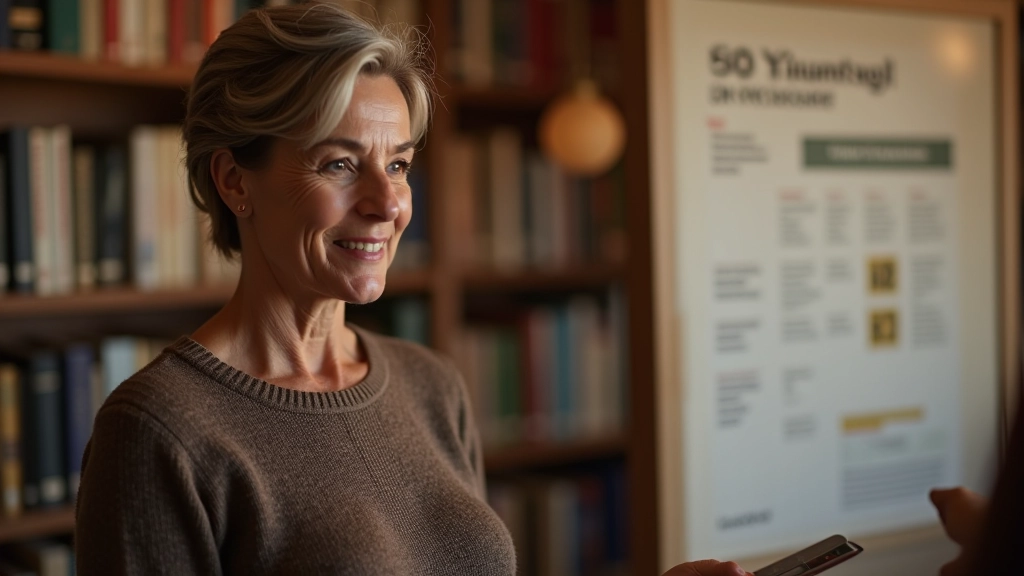
“I wasn’t expecting to make friends through a book lecture. But I’ve been attending the Lisbon library series for two years now and I see the same people every month. We grab coffee after sometimes and actually discuss what we heard. It’s become part of my social life, not just my reading life.”
— Maria, Lisbon
Library lecture series across Portugal fill a genuine need. They’re spaces where adults who love reading can deepen that passion without judgment or pretension. You’re surrounded by people who actually value words, ideas, and stories. That’s rare and worth seeking out.
Whether you’re 40 or 70, whether you’ve read thousands of books or you’re just getting serious about reading — these programs welcome you. They’re designed to challenge your thinking, introduce you to new authors, and remind you why reading matters. Start with one event. See what happens. Worst case? You spend an evening learning something interesting. Best case? You’ve found a community and a regular part of your month you genuinely look forward to.
Ready to find a lecture near you? Check your local library’s website for upcoming events, or contact them directly. Most librarians are genuinely excited to help people discover these programs.
Explore More Literary EventsThis article provides informational guidance about library lecture series available across Portugal. Specific schedules, programs, and locations change regularly. We recommend checking directly with libraries in your region for current offerings, registration requirements, and any fees. Library websites and staff can provide the most up-to-date information about upcoming events in your area.